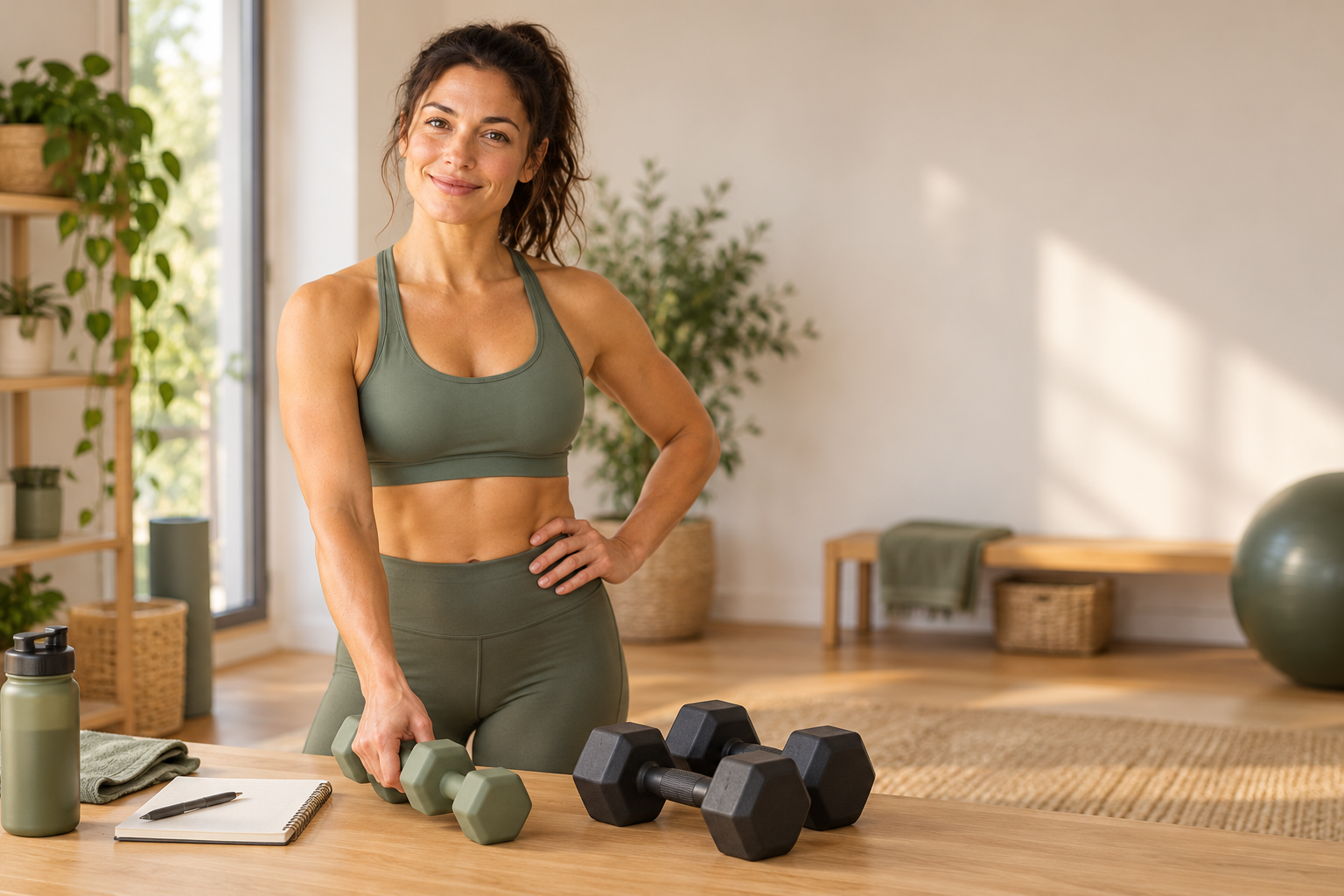
“Core training” is often reduced to a long list of crunches. But the trunk is not only an abdominal muscle to fatigue. It helps transfer force between the upper and lower body, keeps the pelvis and ribcage organised, and lets you control movement while you bend, carry, push, pull and walk.
The goal is not to make every session harder. It is to build enough control and strength that ordinary movement feels more stable and training can progress without constantly chasing soreness.
What this guide covers
- what “core” means in practical training;
- four movement patterns worth learning;
- how to choose sets and reps;
- when exercise is appropriate and when back pain needs assessment.
Think in movement patterns
A balanced trunk session can include resisting movement, not only creating it. That means holding the ribs and pelvis steady while the limbs move, resisting rotation, controlling a side load and carrying an object without leaning.
Four practical patterns
1. Anti-extension: dead bug or plank
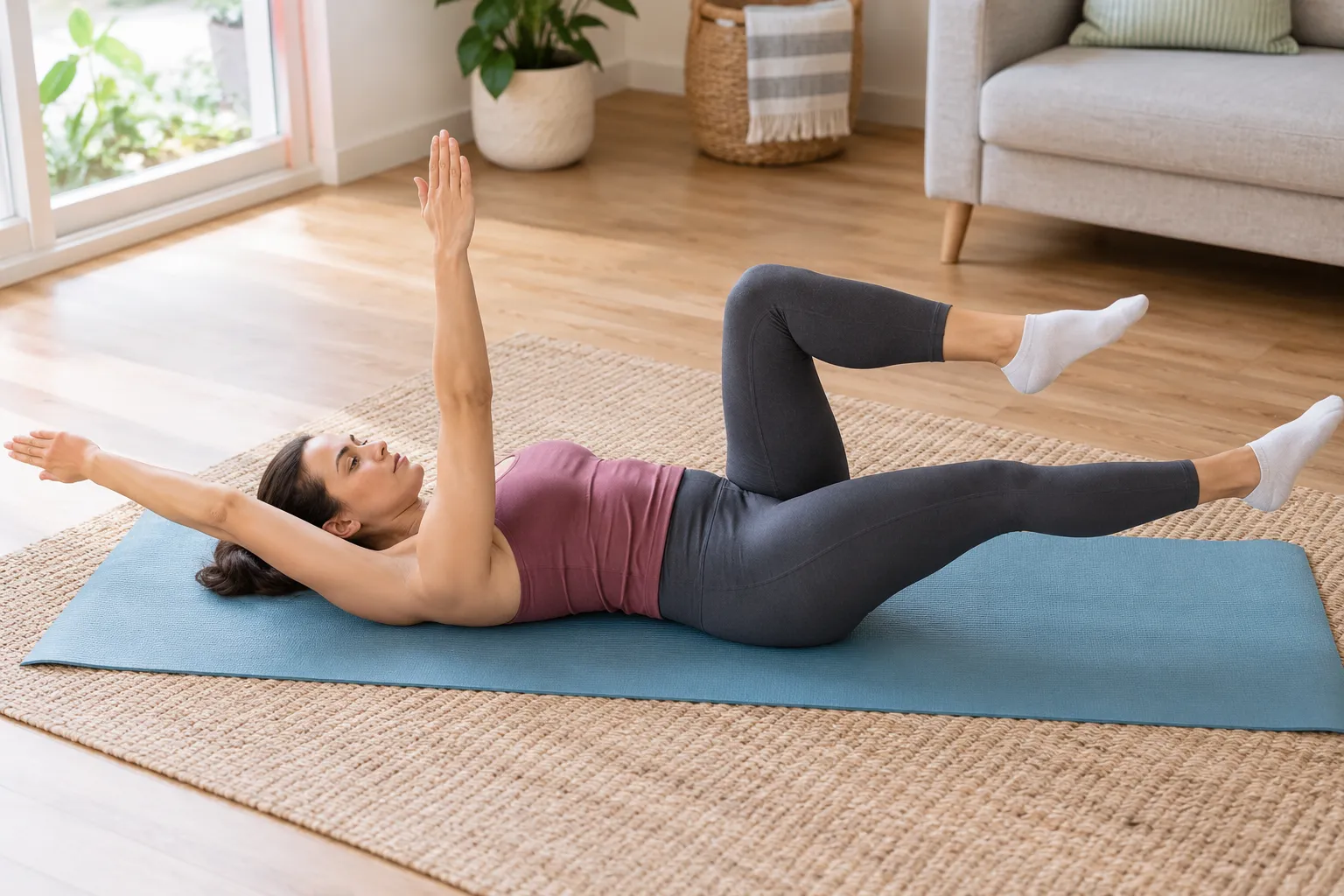
The aim is to stop the lower back from arching as the arms or legs move. Begin with a short, comfortable hold or a dead-bug variation in which the limbs move only as far as you can control.
2. Anti-rotation: a slow reach or band press
Stand or kneel and move one arm while keeping the torso quiet. A resistance band anchored to the side can make the challenge clearer, but a slow reach without equipment is a good starting point.
3. Lateral control: side plank variation
Support yourself from the knees or feet, keep the body long, and stop before the shoulder or hip starts to sag. The easier version is still useful if it lets you hold a steady shape.
4. Carry: suitcase carry
Hold a light object in one hand and walk slowly without leaning. Change sides and keep the distance short enough that your posture stays controlled.
How much is enough?
For a beginner, one or two sets of each pattern is plenty. Try 6–10 slow repetitions for movements, or 10–30 seconds for a hold, then rest. The exact number matters less than breathing normally and stopping when the shape changes.
Two or three sessions per week can fit inside a broader strength routine. You do not need to train the trunk separately every day; squats, hinges, rows, presses and carries also ask it to control the body.
Progress without chasing fatigue
Change one thing at a time:
- make the movement smoother;
- add one or two repetitions;
- extend a hold by a few seconds;
- add a small amount of resistance;
- move to a slightly more challenging variation.
If you have to hold your breath, twist to finish a repetition or rush the last few seconds, the exercise is already too difficult for that set.
Core exercise and back pain
Exercise can help many people with nonspecific low back pain, but “core” is not a magic diagnosis or a universal cure. Reviews suggest that stabilisation or trunk-focused exercises can help in some contexts, while also showing that they are not clearly superior to every other form of active exercise.
If pain is severe, worsening, follows an injury, spreads down a limb, or comes with weakness, numbness, fever or other concerning symptoms, seek medical advice. Do not use a generic online routine as a substitute for assessment.
The bottom line
Train your core as part of movement, not as a punishment. Use a few patterns that challenge you to resist arching, rotation and leaning; keep the reps controlled; and progress gradually. Endless crunches are optional, not a requirement.
Common questions
Do I need crunches to train my core?
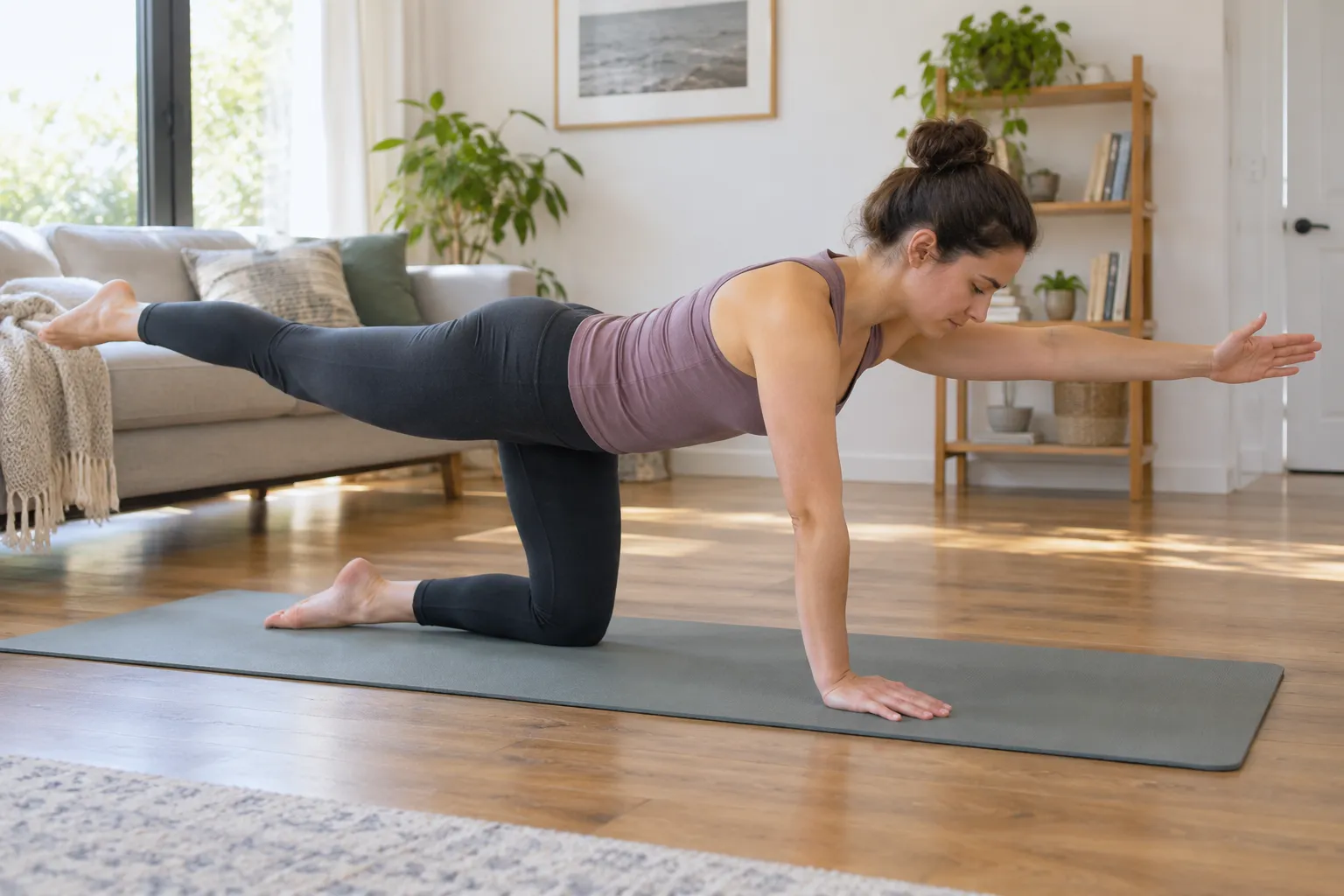
No. Crunches are one option, but bracing, carries, bird-dogs, side planks and other controlled movements train the trunk in different ways.
How often should I train my core?
Core exercises can fit into two or three strength sessions a week, with recovery between harder sessions. The right amount depends on the rest of your training and your tolerance.
Can core exercises fix back pain?
No single exercise fixes every back problem. Research supports exercise for many people with nonspecific low back pain, but core-focused work is not clearly superior to every other form of active exercise.
What if an exercise causes pain?
Stop and reassess the movement. Sharp, worsening or unusual pain is different from ordinary effort and deserves advice from a qualified professional.
Can beginners train their core at home?
Yes. A mat, a chair, a light object and bodyweight are enough to begin with controlled patterns.
Sources
- Office of Disease Prevention and Health Promotion. Physical Activity Guidelines for Americans, 2nd edition.
- BMC Musculoskeletal Disorders / PubMed. An update of stabilisation exercises for low back pain.
- Journal of Orthopaedic & Sports Physical Therapy / PubMed. Effect of Trunk-Focused Exercises on Pain, Disability, Quality of Life, and Trunk Physical Fitness in Low Back Pain.
This article is for general information and isn’t a substitute for personal medical advice. If you have health concerns, speak to a qualified professional.